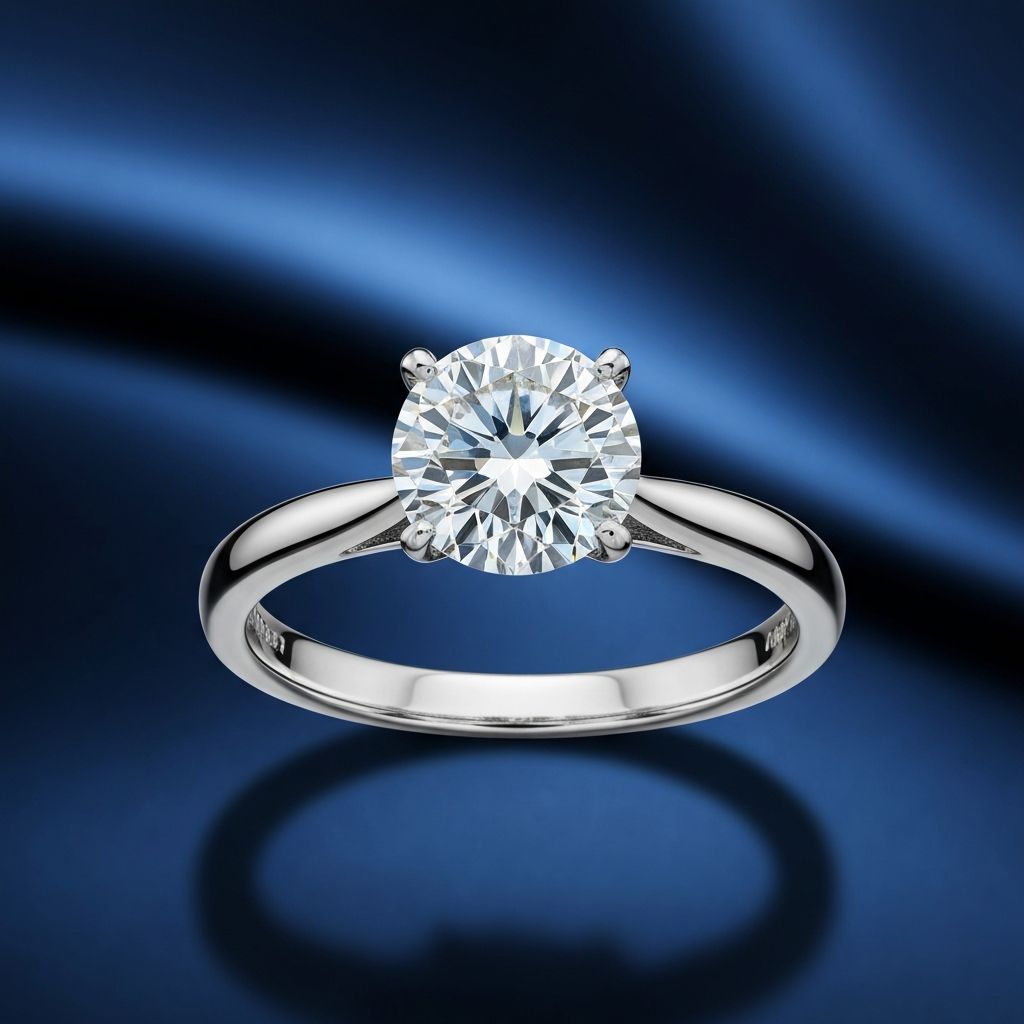
Sell Diamonds
TOP PRICES FOR
Diamonds
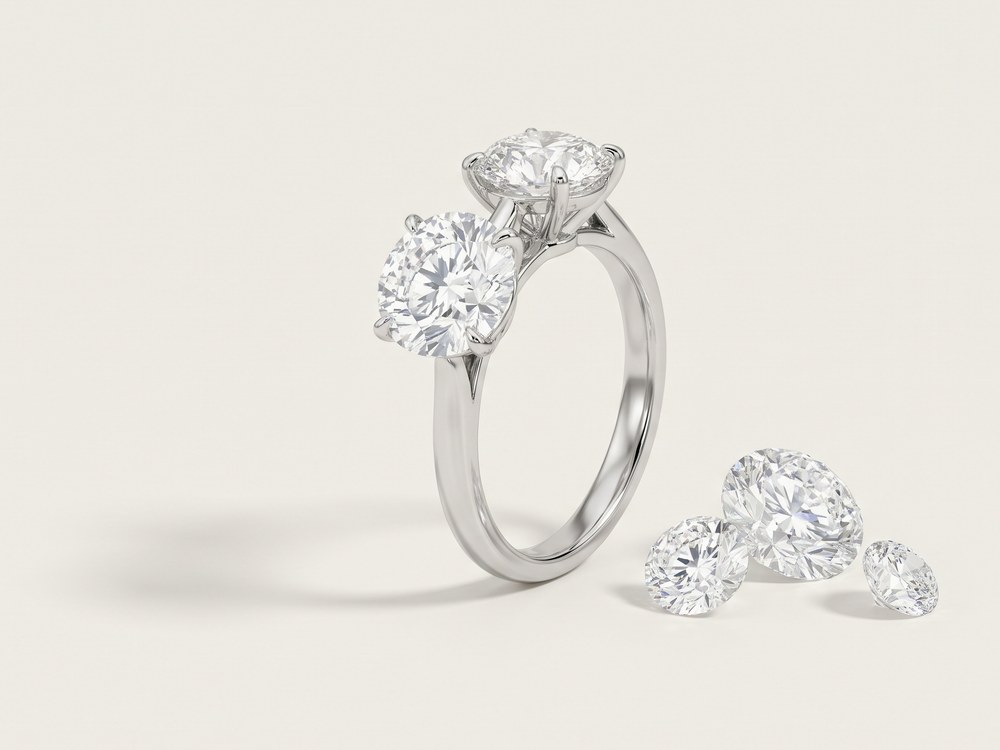
Loose diamonds. Engagement rings. Diamond jewelry. Expert grading and competitive offers for your precious stones.
Expert
Grading
What We Buy
Worthy vs. the counter
THE FEES YOU
Never See
A 1.5ct round brilliant engagement ring with a GIA report, listed on Worthy (Online diamond marketplaces, Estate jewelry consignment runs within a point of this). Here is what reaches you.
Selling it on Worthy
$4,500
Sale price
- Auction success fee · 15.0%Worthy's success fee runs 10–18% of the final auction price, scaled by what the item sells for; multi-item lots are charged a flat 18%.
- minus $675
- Waiting for it to sell, ship and clearAnd only if it sells at your ask.
- 20–35 days
- You actually receive
- $3,825
Auction outcomes are not guaranteed and the fee percentage moves with the final sale price; a reserve that is not met means no sale and no payout at all. Rates verified 2026-08-24.
Why Sell With Us
PROFESSIONAL
Appraisals
Our team includes GIA-trained diamond experts who evaluate cut, color, clarity, and carat weight to give you a fair, competitive price.
- Expert diamond grading
- GIA-trained appraisers
- Competitive market pricing
- Same-day cash payments
- No appointment needed
- Confidential service
Get Your Quote
Tell us about your diamonds and we'll respond within 24 hours.
- 01Category
- 02Your items
- 03Your details
- 04Review
What are you selling?
Choose a category. You can include more items in the same request.
FAQs
COMMON Questions
- Do I need a GIA certificate to sell a diamond?
- It helps but it is not required. A GIA or AGS report removes the guesswork on carat, color, clarity and cut, which usually means a stronger offer. Without paperwork we grade the stone in front of you and explain exactly what we are seeing.
- How do you tell a natural diamond from a lab-grown one?
- With a diamond tester plus a spectroscopic screening unit — lab-grown stones are chemically identical to natural ones and cannot be told apart by eye or loupe. We screen every stone. Lab-grown diamonds are real diamonds and we do buy them, but the resale market values them very differently, so it is worth knowing which you have.
- Is a diamond worth more in its setting or loose?
- Usually in the setting, because you are paid for the stone and the metal together. Do not pry a stone out before coming in — you risk chipping a girdle, and a damaged stone is worth substantially less than an intact one in a plain mount.
- What actually drives the offer on a diamond?
- Carat weight and cut quality do most of the work, then color and clarity. Cut is the one people underestimate: a well-cut stone of lower color often outsells a poorly cut stone that grades better on paper, because cut is what makes it return light.
- Do you buy diamond jewelry that is damaged or missing stones?
- Yes. Broken chains, bent prongs, and rings missing side stones are all still worth money — we pay for the center stone, the recoverable melee and the metal. Bring it in as-is rather than paying for a repair first.